

Seventeen Days Aboard the Azamara Onward
4 MINUTE READ
Stepping aboard the Azamara Onward in Port Victoria felt like reconnecting with an old friend and a boarding process that took no time at all. I found what is immediately reassuring about a ship of this scale was none of the bewildering corridors and casino-floor chaos that define the modern mega-vessel. Originally one of eight ships built for Renaissance Cruises in the late 1990s, the Onward now sails under Azamara’s flag alongside three siblings, while the other four of the original fleet found their way to Oceania Cruises. At just over 30,000 tonnes and carrying around 650 passengers, she occupies a pleasingly human scale.
A Ship That Knows Its Audience
Azamara has sensibly bundled a generous selection of beverages and gratuities into the fare — a thoughtful gesture that removes the petty anxiety of watching the bar tab mount. There is a complimentary self-service laundry (a small detail that veteran cruisers will appreciate enormously), though the two speciality restaurants and internet access carry separate charges. The WiFi at USD 300 per person for the voyage feels steep; budget accordingly.
Dining runs the full range from the refined to the relaxed. Discoveries Restaurant handles breakfast, lunch and dinner with a smart casual dress code, while the Windows Café on Deck Nine offers a buffet alternative for those who prefer to graze. The Patio, also on Nine, is a pleasant spot for outdoor dining when the weather obliges. The real social heart of the ship, however, is the Living Room, where live music and tapas from five until seven each evening sets a civilised tone for the night ahead. The Mosaic Café rounds things out with decent coffee and cakes.
The two speciality restaurants - Aqualina with its Italian-leaning menu, and Prime C for seafood and steak, are worth a single visit each, though at USD 50 per head, the value proposition is questionable. Neither delivered an experience that made a return booking feel compelling.
A Coast of Contrasts
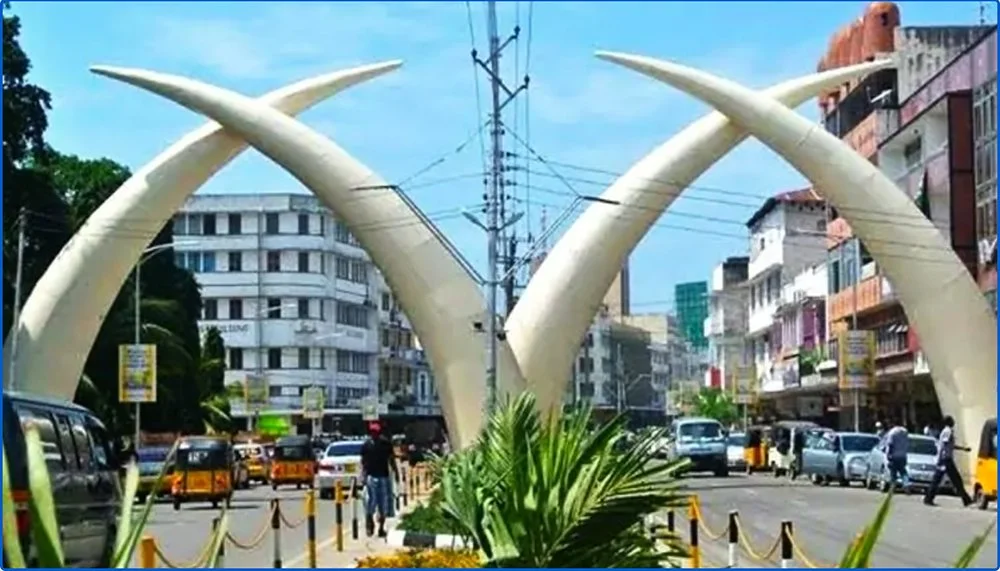
Two days at sea after leaving the Seychelles provided a gentle segue into the voyage proper, before Mombasa announced itself with characteristic energy. An organised tour proved a wise investment. Navigating this city independently would test even the most intrepid. The famous aluminium elephant tusks straddling Moi Avenue, originally erected in timber to mark Queen Elizabeth’s 1953 royal visit, offer a striking piece of living history, while the narrow lanes of Old Town reward slower exploration. The evening light show at Fort Jesus, a 16th-century Portuguese fortification and proclaimed national monument, was the undoubted highlight.
Zanzibar followed, its layered history of Persian, Arab, Indian and European influence palpable in every alleyway of Stone Town. Another 16th-century Portuguese fort anchors the old quarter, but for myself, the real draw was the Freddie Mercury Museum, housed in the very building where the Queen frontman was born. It is an unexpectedly moving experience.
Mayotte provided an intriguing footnote. A French-administered island deep in the Indian Ocean where the Euro is the currency and French the working language. Regrettably, the island was still bearing the scars of a recent cyclone, which somewhat dampened the visit.
Madagascar’s Nosy-Bé offered a more uplifting diversion. The Ylang-ylang distillery, established by Missionary Fathers in 1889, produces more of this extraordinary essential oil than anywhere else on earth - the base ingredient in nearly every fine perfume. The island’s wildlife proved equally rewarding: lemurs of several varieties and giant tortoises observed at close quarters. One fellow passenger remarked, only half-jokingly, that had Darwin arrived here first, the Galápagos might have remained a footnote.
A brief unscheduled stop at Maputo to disembark an unwell passenger, then on to Richards Bay and an afternoon game drive through Hluhluwe-Imfolozi National Park. Established in 1895 and the oldest formally conserved game reserve in South Africa, its close to 100,000 hectares harbour all of the big five - Lion, Elephant, Leopard, Buffalo and Rhinos. It did not disappoint.
The planned Durban stop was cancelled as the ship moved to skirt a developing weather system — six-metre swells and fifty-knot winds were forecast. A pragmatic decision that most seasoned travellers accepted without complaint.
The Seasoned Traveller’s Verdict
Azamara Onward offers something increasingly rare in modern cruising: a genuinely unhurried, human-scaled experience. The Indian Ocean itinerary was intelligently conceived, and the crew throughout were warm and professional - a combination that goes a long way toward defining a voyage.
Nearly thirty years old, the ship shows her age in places, and the Club Balcony stateroom, whilst adequate, requires a degree of spatial creativity - the shower, in particular, demands flexibility. Food across the ship was competent rather than inspired, and the speciality restaurants felt overpriced relative to the main dining room. The internet charge is a frustration Azamara would do well to reconsider.
That said, the sense of community that develops aboard a smaller ship, combined with a genuinely varied and historically rich itinerary, makes this a compelling option for the experienced traveller who values depth over spectacle.
A return voyage is very much on the cards.